Worn shingles and repeat leaks in West Orange
Roof Replacement in West Orange, NJ
When does a West Orange roof stop being worth patching? Leaks that return, shingles that crumble and bare patches where the grit has worn off all point toward a new covering. Call (973) 841-8483, give the age of the house and what the roof has been through, and the contractor can arrange a visit.
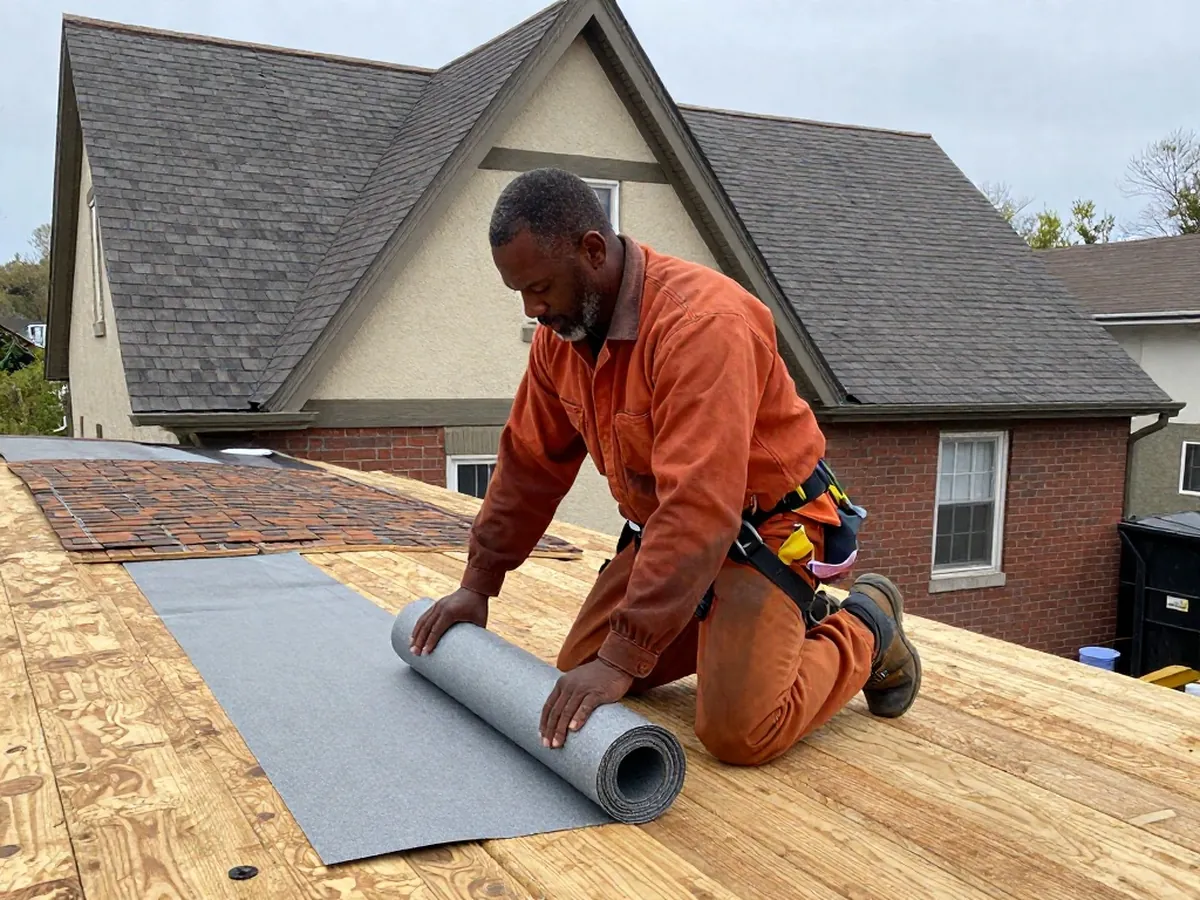
Hold off and get help if
- The roof line or a ceiling is sagging after heavy snow or rain: clear everyone from that room, and dial 911 if anything shifts.
- A wire has dropped onto the roof or into the yard: treat it as live, stand far back, and call 911 or your electric utility.
- Water drips from a light fixture or outlet: leave the room and the switch alone, and call 911 if you smell burning.
- A ladder or a worker's tools sit near live wires: stay at least ten feet away, and call 911 if anyone is hurt.
Questions for the roofer
Layers, nails and old shingles: what to ask about
How many layers sit on the house now, and what becomes of them? The township handout caps a roof at two.
What goes under the new shingles? FEMA's fact sheet starts its list with underlayment.
How are the shingles nailed, and how many nails go in each? A written quote can say.
What do the start and finish dates in the contract read? New Jersey's rule for home improvement contracts asks for both, along with the total price.
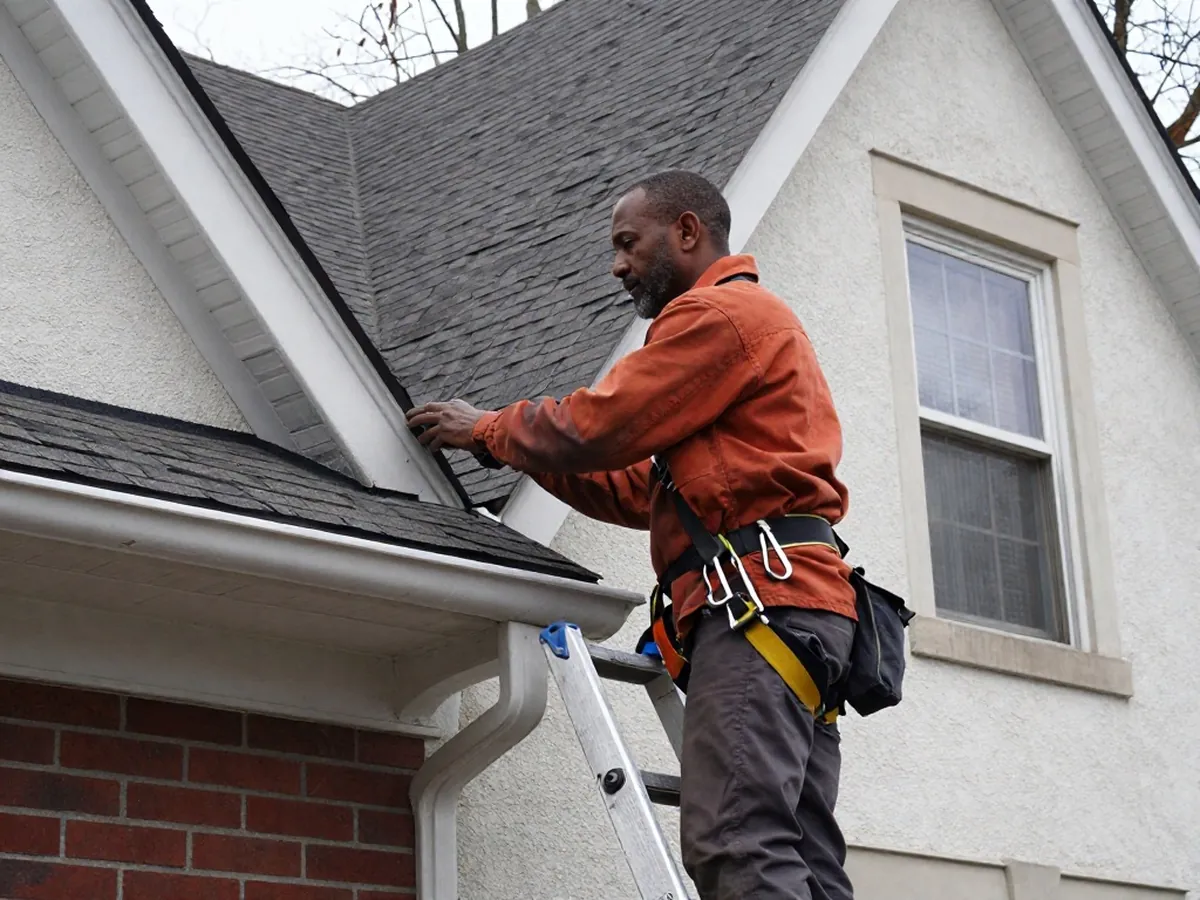
What the roofer looks at
- Call (973) 841-8483, mention the age of the house and any layers you know of, and the contractor can arrange a visit.
- The roofer can look from the ground first, then up close, noting the slope, the layers and any soft spots.
- The attic comes next: the roof boards, called the deck, the airflow and any trace of old leaks.
- Flashing, vents, the drip edge along the eaves and the chimney get listed for reuse or replacement.
- A written quote can name the materials, the underlayment and the nailing, along with start and finish dates.
- The visit closes with how the old roofing is removed and whether the town office needs a permit for the house.
What you may notice
- Leaks that come back in new places after each repair
- Shingle edges curled, cracked or crumbling across a whole slope
- Bare patches where the rough granule coating has worn off
- A roof line that dips or sags between the rafters, the sloping beams underneath
- Daylight showing through the roof boards from the attic
Why it happens
- Age: asphalt shingles dry out, shed their top coat and let water slip underneath
- Layers added over the years, which add weight and hide what lies beneath
- An attic with too little airflow, so warm damp air sits against the roof boards
- A storm that creased or tore shingles on a roof already near the end of its life
- Patches stacked on patches until repairs outnumber original shingles
Next door on the list
Still weighing repair against a new roof?
Start with roof repair if the trouble is in one spot. A roof inspection gives the facts for the comparison. And if a recent storm started the conversation, storm damage covers the claim steps.
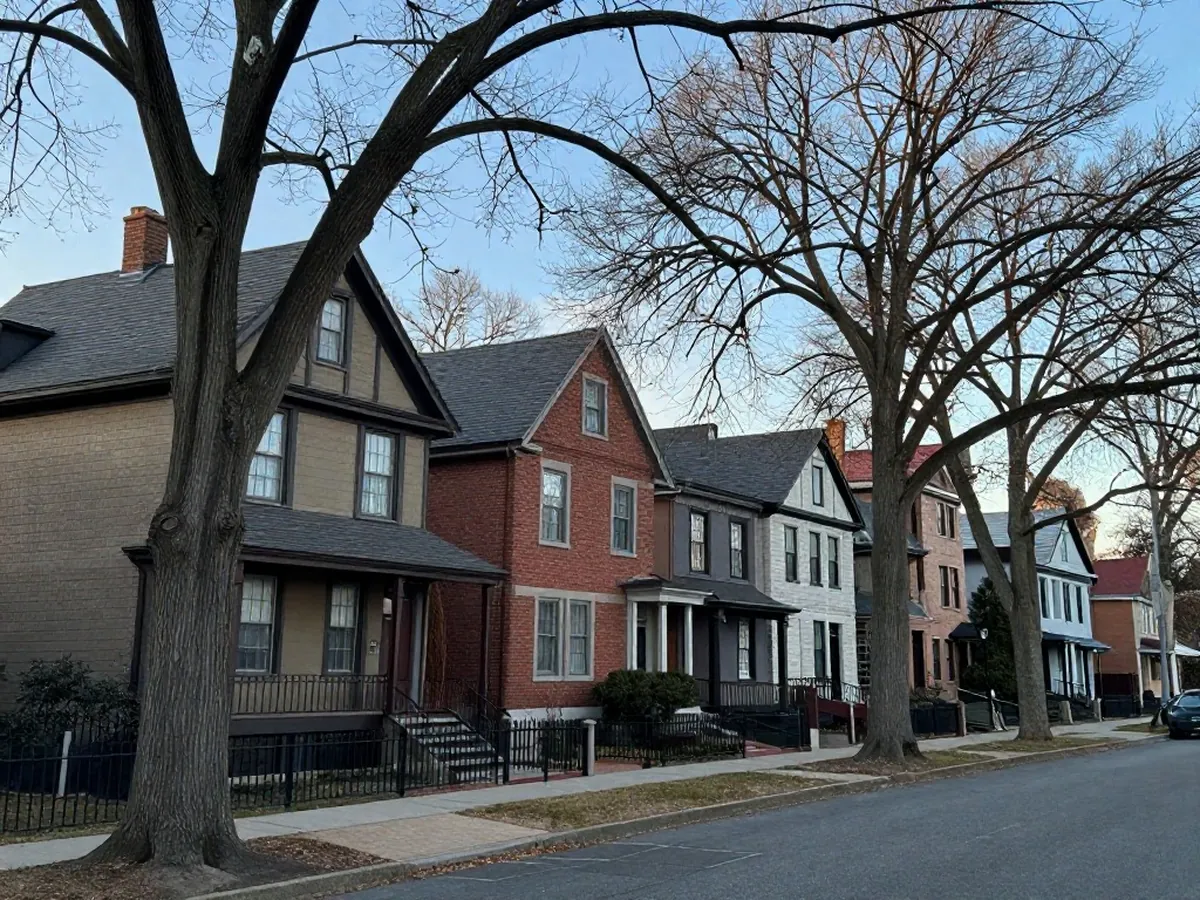
Notes from around West Orange
- West Orange's building handout sets a limit of two layers of roofing. In a township where roughly 59 percent of the housing was built before 1960, ask how many layers the house carries now.
- Rooftop solar changes the conversation. New Jersey's construction code newsletter says putting existing panels back after a re-roof needs no building permit, though an electrical permit is involved if rails come off and the grounding is disturbed.
What moves a quote
What widens or narrows a new-roof quote
The size of the roof and its slope set the amount of material and the setup. The number of layers to remove comes next. After that come the breaks in the surface: chimneys, vents, skylights and valleys, each needing flashing. Boards found rotted under the old shingles add scope, and so does an ice barrier if the roofer recommends one.
Questions and answers
How urgent is an aging roof, on a 1 to 10 scale?
Rate the roof on a ten-point scale. Eight through ten: a sagging ceiling, water at a fixture or a wire down, each of which starts with 911 or the utility. Four through seven: a roof leaking in more than one place, where it pays to call (973) 841-8483 this week, ahead of the next storm. One through three: an aging roof that is dry inside, so find the date of the last re-roof and start planning.
How many layers can a West Orange roof carry?
The township's building handout says two layers are the maximum permitted. A roofer can count layers at the roof edge and from the attic, and the count is worth knowing before a quote is written.
Which details belong on a replacement quote?
A FEMA fact sheet written for high-wind regions asks for underlayment every time, roofing nails instead of staples, and six nails per shingle along the eaves. It was aimed at coastal and high-wind areas, so treat it as a list of questions to ask rather than a local rule.
Does a new roof here need an ice barrier?
Bulletin 07-3 from New Jersey ties the ice barrier requirement to areas whose January daily average is 25 degrees or below, and it names Sussex County as the state's example. The Caldwell station's January normal is 30.6 degrees, which puts West Orange outside that rule by this one measure. A roofer may still suggest a membrane.
What happens to rooftop solar during a re-roof?
The construction code newsletter says roof access and pathway rules apply only when a solar system is new or entirely replaced. A new building permit is not needed to reinstall panels, and an electrical permit applies if rails were removed and grounding was affected.
Is a full re-roof possible in the other four towns, not just West Orange?
Yes, the contractor serves all five towns. Open roofing in Orange, roofing in Millburn, roofing in Roseland and roofing in Essex Fells for each town's housing and office notes, then dial (973) 841-8483 with the street address.
Where the paperwork lives
A new roof and the town office
Two official sources disagree here. The state's maintenance rule puts a full re-roof of a detached one- or two-family home on its no-permit list, with no inspection and no notice. West Orange's handout says a whole new roof needs a permit, and permitted work gets an inspection. The construction office can settle it for a given address, and the rules page has the numbers.
Call (973) 841-8483 and talk the roof through.
Call (973) 841-8483Keep three things handy: the address, a description of the damage and a rough roof age. Renters: roof work is set up by the owner, so the landlord comes first. Dial (973) 841-8483 if you are in one of the five towns listed here.